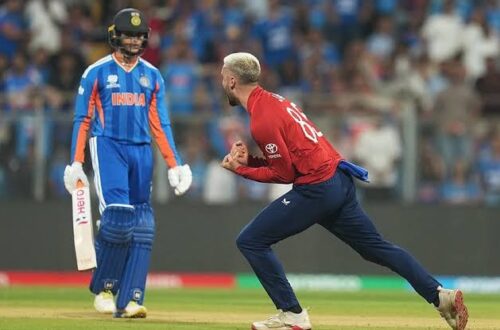
The rivalry between the England Cricket Team and the India National Cricket Team has evolved into one of the most compelling stories in international cricket. From early Test encounters marked by dominance and learning curves to modern white ball battles filled with explosive batting and tactical depth, this timeline reflects decades of transformation. Both teams have experienced periods of control, collapse, and comeback, shaping a rivalry defined by intensity and respect. Over time, changing conditions, player generations, and evolving strategies have turned their meetings into high pressure contests that attract global attention. Every series adds a new layer to this long standing cricket journey.
Recent Matches Table
Match Date
Format
Venue
Winner
Margin
First Innings Score
Second Innings Score
Aug 2025
Test
London
India
6 runs
312
244
Feb 2025
ODI
Cuttack
India
3 wickets
285/8
289/7
Feb 2025
ODI
Ahmedabad
India
8 wickets
178
181/2
Jan 2025
ODI
Chennai
India
45 runs
321/6
276
Jan 2025
T20I
Mumbai
India
6 wickets
162/8
166/4
Jan 2025
T20I
Kolkata
England
14 runs
198/5
184/7
Jan 2025
T20I
Chennai
India
81 runs
212/4
131
Team Statistics Summary Table
Metric
Test Matches
One Day Internationals
Twenty20 Internationals
Total Matches
Won by India
Won by England
Head to Head
136
109
28
273
104
111
Matches in India
69
54
14
137
64
45
Matches in England
67
45
11
123
34
57
Matches Neutral
0
10
3
13
6
9
Highest Innings Total
759/7
387/5
224/2
759/7
759/7
477
Lowest Innings Total
42
110
80
42
42
101
Tied / No Result
52
5
0
57
0
0
Individual Batting Records Table
Player Name
Team
Matches
Innings
Total Runs
Highest Score
Batting Average
Shubman Gill
India
24
38
1474
121
42.11
Ben Duckett
England
18
32
1033
153
34.43
Rohit Sharma
India
35
48
1945
161
44.20
Joe Root
England
49
72
3124
218
48.81
Yashasvi Jaiswal
India
12
20
1125
214
59.21
Zak Crawley
England
16
28
912
189
33.76
Virat Kohli
India
42
60
2510
235
45.63
Individual Bowling Records Table
Player Name
Team
Matches
Innings
Wickets Taken
Best Bowling
Economy Rate
Jasprit Bumrah
India
19
32
39
6/19
3.21
Shoaib Bashir
England
8
14
27
5/119
4.15
Ravichandran Ashwin
India
26
45
105
6/55
2.84
James Anderson
England
39
68
149
5/20
2.72
Ravindra Jadeja
India
22
38
62
5/48
2.98
Jack Leach
England
11
19
36
5/120
3.33
Axar Patel
India
9
15
32
6/38
2.54
Early Encounters and Formation of Competitive Cricket Identity
The opening phase of matches between the two sides laid the foundation of a long sporting connection that gradually evolved into a serious contest. In the beginning, one team clearly held more experience, while the other focused on learning through exposure in different playing conditions. Early games were shaped by disciplined bowling attacks and cautious batting approaches, where survival often mattered more than scoring speed. Over time, visiting teams began adapting better to foreign pitches, showing patience and improved technique. Home advantage played a major role in shaping outcomes, as conditions strongly influenced batting performance and match rhythm. Despite uneven results, these encounters created mutual respect and competitive awareness. Players started understanding contrasting playing styles, which later helped both sides evolve strategically. Crowd interest slowly increased as matches became closer and more unpredictable. This early phase built the emotional and tactical foundation of a rivalry that would later become one of the most followed in world cricket.
Matches
Venue Type
Dominant Factor
Avg First Innings Score
Result Pattern
Early Tests
England
Swing Bowling
220
Home dominance
Early Tests
India
Spin Friendly
260
Home advantage
ODIs Start
Neutral
Batting control
240
Mixed results
Tour Matches
Mixed
Experience gap
210
One sided
Practice Games
Various
Adaptation
230
Learning phase
Post Independence Growth and Tactical Development Phase
After independence, the rivalry slowly started becoming more balanced as one team began strengthening its domestic structure and player development system. Improved coaching and domestic competition produced more technically solid players capable of handling challenging overseas conditions. The opposition continued relying on experience and strong seam bowling, especially in helpful conditions. Matches during this era were often slow paced, with long batting sessions and a focus on survival rather than aggressive scoring. Draws remained common, but they included intense passages where momentum shifted quickly. Bowlers from both sides began experimenting with variations in line and length to create pressure. Captains adopted more structured field placements aimed at controlling scoring opportunities. Although results were still inconsistent, the competitive gap gradually reduced. This phase laid the groundwork for more unpredictable and closely fought encounters in the following decades.
Aspect
Improvement Area
Impact
Style Shift
Match Outcome Trend
Batting
Technique
Stability
Defensive
Draw heavy
Bowling
Spin growth
Control
Tactical
Balanced
Fielding
Agility
Pressure
Structured
Close games
Captaincy
Strategy
Planning
Conservative
Low scoring
Conditions
Adaptation
Learning
Mixed
Unpredictable
1970s Turning Point and Overseas Breakthrough Phase
The 1970s marked a major turning point where competitive balance began shifting more noticeably across venues. Visiting teams started achieving breakthrough results in conditions that were previously considered difficult. Spin bowling became a major weapon, especially on surfaces that offered turn and variable bounce. Batters from both sides improved their ability to adapt, focusing on long innings and minimizing risk. Matches increasingly featured match-defining spells that changed outcomes within a single session. Overseas victories became symbolic of growing confidence and technical maturity. In response, home sides strengthened fast bowling units to exploit pace-friendly conditions. Tactical awareness improved significantly, with captains using aggressive fields to force errors. This decade reduced the number of predictable results and increased the competitiveness of every series. The rivalry started evolving into a more balanced and strategically complex contest.
Category
Key Strength
Match Influence
Dominant Skill
Outcome Shift
Bowling
Spin attack
High
Wicket control
Away wins
Batting
Defense
Medium
Endurance
Draw reduction
Captaincy
Aggression
High
Field changes
Competitive
Conditions
Variable
High
Adaptation
Balanced
Strategy
Planning
Medium
Match reading
Tight results
Iconic 2002 Style Encounter and Momentum Shift
One of the most memorable limited overs matches created a lasting emotional impact due to its dramatic swings and pressure filled moments. A strong batting performance set a challenging total, built on aggressive stroke play and smart strike rotation. The chasing side faced early setbacks, losing key wickets and falling under immediate pressure. However, a determined middle order partnership revived the innings, slowly shifting momentum back into balance. As the match progressed, tension increased with every over, and the stadium atmosphere became highly charged. Fielding mistakes and missed opportunities further intensified the pressure. The contest remained uncertain until the final overs, reflecting how closely matched both teams had become in high pressure situations. This game is still remembered for emotional celebrations and the psychological impact it created on players and fans alike.
Phase
Runs Impact
Key Factor
Turning Point
Pressure Level
Powerplay
High
Early wickets
Collapse start
Extreme
Middle overs
Recovery
Partnerships
Stability build
High
Death overs
Final push
Strike rotation
Momentum shift
Very high
Fielding
Mixed
Errors
Game change
Critical
Result
Close finish
Composure
Final over
Maximum
2011 World Stage Contest and Balanced Competition Era
A global tournament meeting brought both sides into a high stakes environment where execution mattered more than reputation. One batting unit provided a steady start, while the opposition relied on disciplined bowling to control scoring during middle phases. Partnerships played a key role in stabilizing innings after early pressure moments. The match featured continuous momentum shifts, with neither side able to maintain dominance for long. Bowlers focused on accuracy and containment, while batters looked for calculated scoring opportunities. Fielding performance remained sharp, influencing crucial moments in the game. The final outcome reflected how evenly matched both teams had become in limited overs cricket at the highest level. This encounter highlighted tactical maturity and composure under pressure from both sides.
Section
Batting Impact
Bowling Impact
Key Moment
Match Intensity
Start
Strong
Controlled
Opening stand
High
Middle
Stable
Tight spells
Wicket breaks
Very high
End
Pressure
Defensive
Chase control
Extreme
Fielding
Sharp
Supportive
Run saves
High
Outcome
Balanced
Equal
Close finish
Maximum
2014 Swing Bowling Dominance and Technical Challenge Phase
A key Test series emphasized the challenge of playing in conditions where swing and seam movement played a decisive role. One bowling attack consistently exploited atmospheric conditions to trouble batters throughout the innings. The top order struggled significantly, often losing wickets early due to technical weaknesses. The opposition maintained constant pressure through disciplined line and length bowling. Several innings saw batting collapses that highlighted the difficulty of adapting quickly to movement. Despite this, a few individual performances demonstrated resilience and technical adjustment under pressure. Captains relied heavily on seam friendly strategies and attacking field placements to maximize wicket taking opportunities. This phase is remembered for exposing technical gaps and emphasizing the importance of adaptability in Test cricket.
Innings
Condition
Bowling Style
Batting Response
Outcome
First
Swing heavy
Seam attack
Struggle
Low score
Second
Overcast
Reverse swing
Collapse
Dominant bowling
Third
Balanced
Mixed pace
Resistance
Moderate
Fourth
Pressure
Controlled attack
Failure
Result decisive
Summary
Tough
Fast bowling
Inconsistent
Series impact
Modern Era Balance and Tactical Evolution Phase
Recent years have shown a far more balanced competitive structure between both sides, with outcomes varying across formats and conditions. White ball cricket has evolved into a high scoring format where aggressive batting strategies dominate. Teams now rely heavily on analytics, matchup planning, and situational decision making. Batting depth has improved, allowing recovery even after early setbacks. Bowling attacks have become more versatile, combining pace variations, spin options, and strategic death bowling. Matches frequently produce high totals and fast scoring rates, reflecting modern cricket evolution. Test matches still depend heavily on conditions, making results unpredictable. Overall, the rivalry continues to evolve dynamically, maintaining strong global interest due to its competitive nature and high quality performances.
Format
Strategy Focus
Key Strength
Scoring Pattern
Result Trend
Test
Technique
Spin and seam
Moderate
Balanced
ODI
Aggression
Batting depth
High
Mixed
T20
Power play
Big hitting
Very high
Close
Bowling
Variation
Death overs
Controlled
Tactical
Fielding
Speed
Agility
Impactful
Game changing
Conclusion
The timeline of clashes between England and India shows how cricket has grown from slow, cautious battles into fast paced and data driven contests. What began as one sided early encounters has transformed into a balanced rivalry where either side can dominate on their day. Legendary performances, shifting momentum, and unforgettable matches have defined this journey across eras. Today, both teams stand as equals in many formats, continuing to push each other toward higher standards. This rivalry remains a cornerstone of international cricket, promising even more dramatic chapters in the future.