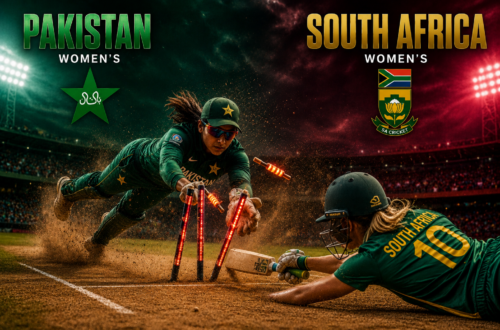
The cricket journey between these two international sides reflects decades of evolving competition, shifting dominance, and unforgettable match moments. From early encounters shaped by difficult playing conditions to modern high-intensity games driven by strategy and fitness, the rivalry has grown into one of the most respected contests in world cricket. Each era brought new heroes, new challenges, and dramatic scorecard shifts that kept fans engaged across generations. The balance between disciplined bowling attacks and resilient batting performances has defined this timeline, creating a rich cricketing story filled with pressure moments, tactical battles, and emotional fan experiences that continue to shape the global cricket narrative.
Recent Matches
Date
Format
Venue
Winner
Margin
Top Performer
Result
March 8 2026
T20I
Ahmedabad
India
96 runs
Sanju Samson
India won
January 28 2026
T20I
Bengaluru
India
7 wickets
Suryakumar Yadav
India won
January 25 2026
T20I
Mumbai
India
43 runs
Jasprit Bumrah
India won
January 23 2026
T20I
Chennai
New Zealand
6 wickets
Glenn Phillips
NZ won
January 20 2026
T20I
Kolkata
India
8 wickets
Hardik Pandya
India won
January 18 2026
T20I
Delhi
India
5 wickets
Axar Patel
India won
January 14 2026
ODI
Hyderabad
New Zealand
4 wickets
Devon Conway
NZ won
Team Statistics Summary
Team
Format
Matches
Won
Lost
Tied
No Result
India
Test
63
22
16
0
25
New Zealand
Test
63
16
22
0
25
India
ODI
119
60
53
1
5
New Zealand
ODI
119
53
60
1
5
India
T20I
41
24
15
1
1
New Zealand
T20I
41
15
24
1
1
India
Combined
223
106
84
2
31
Individual Batting Records
Batsman
Team
Matches
Innings
Runs
Highest Score
Average
Sachin Tendulkar
India
57
72
2753
217
43.01
Virat Kohli
India
53
59
2411
211
46.36
Rahul Dravid
India
36
48
2167
222
50.39
Kane Williamson
New Zealand
49
55
2089
242
42.63
Ross Taylor
New Zealand
56
65
1943
151
34.08
Rohit Sharma
India
51
56
1894
147
37.13
Stephen Fleming
New Zealand
44
54
1756
111
33.13
Individual Bowling Records
Bowler
Team
Matches
Innings
Wickets
Best Bowling
Economy
Ravichandran Ashwin
India
29
43
115
7 for 59
2.82
Tim Southee
New Zealand
45
58
108
7 for 33
3.65
Anil Kumble
India
24
34
91
6 for 78
2.61
Richard Hadlee
New Zealand
17
28
86
7 for 23
2.34
Daniel Vettori
New Zealand
40
51
82
5 for 62
3.23
Trent Boult
New Zealand
32
44
79
5 for 17
3.98
Zaheer Khan
India
23
31
75
5 for 29
3.12
Outline Early Encounters That Shaped The Beginning Phase
The early phase of this international cricket relationship was defined by adjustment, patience, and contrasting playing styles. One side relied heavily on structured batting technique and spin variations, while the other leaned on seam movement and home conditions to create pressure. Matches during this period were often low scoring, with bowlers dominating long sessions and batters struggling to build partnerships on difficult pitches. Travel challenges and limited exposure also played a major role in shaping performances. Every match felt like a learning curve where players slowly understood conditions and opposition behavior. Field placements were conservative, and captains focused more on survival than aggressive scoring. Despite limited scoring opportunities, these encounters created a foundation of respect and competitiveness that would grow stronger over time as both teams gained experience and confidence on the international stage.
Year
Format
Venue Type
Key Factor
Result Trend
1955
Test
Home Conditions
Seam Movement
Bowling Dominance
1956
Test
Away Conditions
Spin Challenge
Low Scoring Draw
1960
Test
Mixed Pitches
Defensive Play
Balanced Result
1965
ODI Style
Limited Overs
Batting Pressure
Narrow Finish
1969
Test
Foreign Tour
Adaptation Issue
Home Advantage
Outline Building Identity Phase In Seventies And Eighties
During this period, both sides began shaping their unique cricket identities. One team focused on spin heavy strategies and controlling the middle overs, while the other developed one of the most feared fast bowling units of the era. Matches became more tactical, with captains experimenting with field settings and bowling rotations. Batters were required to show patience as conditions often favored bowlers. This phase also saw the rise of match winning all round performances that shifted momentum quickly. Home advantage played a significant role, and touring teams often struggled to adapt to unfamiliar pitches and weather conditions. Rivalry intensity increased as results became more competitive and unpredictable. The balance of power slowly shifted depending on venue and squad strength, creating a more engaging and uncertain contest for fans and analysts alike.
Year
Format
Conditions
Dominant Unit
Match Nature
1972
Test
Swing Friendly
Fast Bowling
Defensive Game
1975
Test
Dry Surface
Spin Attack
Tactical Battle
1978
ODI
Balanced Pitch
Batting Unit
Competitive
1981
Test
Home Advantage
Bowling Control
Low Scoring
1984
Test
Overseas Tour
Seam Attack
Pressure Game
Outline Dominance Phase Of Fast Bowling Era
This phase was heavily influenced by world class fast bowling performances that tested batting techniques at the highest level. Seam and swing movement became the deciding factor in many matches, especially on pitches offering early assistance. Batters often found it difficult to survive long sessions, leading to collapses and short innings totals. However, resilience from experienced players occasionally shifted momentum and created memorable fightbacks. Captains relied on aggressive field placements to maximize wicket taking opportunities. This era is remembered for intense spells, short but impactful partnerships, and dramatic score changes within sessions. The rivalry became more one sided during certain series, but competitive spirit remained strong as visiting teams continued to challenge conditions and opposition strategies.
Year
Format
Bowler Type
Batting Response
Outcome
1985
Test
Fast Seam
Struggle Early
Bowling Win
1986
Test
Swing Attack
Collapse Phase
Home Win
1987
ODI
Mixed Pace
Partial Recovery
Close Match
1988
Test
Seam Dominant
Defensive Play
Low Total
1989
Test
Fast Bowlers
Resistance Build
Draw Match
Outline Expansion Phase Of One Day Cricket Growth
With the rise of limited overs cricket, the dynamic of matches changed significantly. Batting became more aggressive, and scoring rates increased as players adapted to shorter formats. Innovative shots and faster strike rotation became essential for success. Bowlers introduced variations such as slower balls and yorkers to control run flow. Matches became more entertaining for fans, with frequent momentum shifts and final over finishes. Strategy evolved rapidly as teams focused on balancing attack and defense. This phase also introduced new heroes who excelled in pressure situations, especially in run chases and death overs.
Year
Format
Batting Style
Bowling Strategy
Result Type
1991
ODI
Aggressive Start
Containment
Close Finish
1993
ODI
Power Hitting
Variation Use
High Score
1995
ODI
Chase Focus
Death Bowling
Tight Game
1997
ODI
Balanced Play
Spin Control
Competitive
1999
ODI
Fast Scoring
Mixed Attack
Decided Late
Outline World Tournament Pressure Clashes Phase
International tournaments brought a new level of intensity to these encounters. Matches carried high pressure as qualification and elimination scenarios created emotional tension. Teams prepared extensively for these games, analyzing opponents in detail and adjusting strategies accordingly. Fielding standards improved significantly, and every run became crucial. Batting collapses and unexpected partnerships often changed match outcomes dramatically. Fans became deeply emotionally invested, and stadium atmosphere added pressure on players. These matches are remembered for defining moments that shifted tournament progress and team confidence.
Year
Tournament
Stage
Key Moment
Impact
2003
World Event
Group
Early Collapse
Elimination Risk
2007
Global Cup
Knockout
Partnership Build
Recovery Win
2011
Major Cup
Quarter
Bowling Spell
Match Control
2015
World Event
Group
Chase Success
Qualification
2019
Global Cup
Semi
Pressure Finish
Historic Result
Outline Balanced Rivalry Phase In Early Modern Era
As cricket entered a more professional and data driven phase, both sides became evenly matched across formats. Fitness standards improved, and analytical preparation became a key part of strategy. Batters developed stronger technique against pace and spin, while bowlers refined accuracy and variation. Matches became unpredictable, with both sides capable of dominating depending on conditions. Tactical decisions such as powerplay usage and batting order changes played a crucial role in outcomes. This phase is remembered for closely fought contests and high quality cricket across all departments.
Year
Format
Strategy Focus
Key Strength
Result Nature
2002
ODI
Balanced Approach
Batting Depth
Tight Finish
2004
Test
Defensive Build
Spin Control
Draw Result
2006
ODI
Power Play Attack
Pace Bowling
Narrow Win
2008
Test
Tactical Play
Field Setting
Even Contest
2010
ODI
Chase Strategy
All Round Skill
Competitive
Outline Modern High Intensity Competitive Era
In the modern era, matches have become faster, more strategic, and heavily influenced by analytics. Power hitters dominate scoring phases, while bowlers rely on precise execution under pressure. Field restrictions and advanced metrics have changed decision making significantly. Every match now swings on small moments such as a dropped catch, a quick partnership, or a death over spell. Players are more athletic and versatile, contributing in multiple departments. The rivalry continues to evolve with each series, maintaining high excitement and global attention.
Year
Format
Match Speed
Key Skill
Outcome Pattern
2016
ODI
Fast
Power Batting
High Chase
2018
T20
Very Fast
Death Bowling
Close Finish
2020
Test
Controlled
Spin Impact
Balanced Result
2022
ODI
Aggressive
Fielding Impact
Tight Game
2024
T20
Ultra Fast
All Round Skill
Decided Late
Conclusion
This long cricket timeline shows how the rivalry has transformed from cautious early battles into a modern showcase of skill, strategy, and mental strength. Both teams have pushed each other to higher standards through intense matches, iconic performances, and shifting momentum across formats. Whether in Tests, ODIs, or T20 encounters, every stage of this journey has produced memorable scorecards and defining moments that reflect true competitive spirit. As cricket continues to evolve, this rivalry remains balanced and unpredictable, promising even more thrilling contests in the future where small moments will continue to decide big outcomes on the global stage.