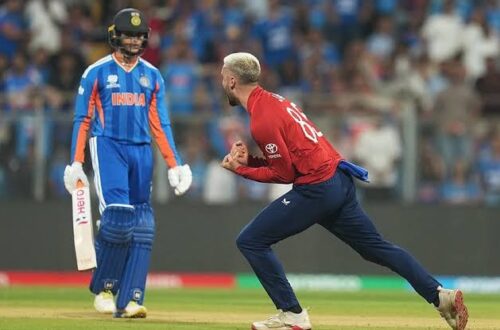
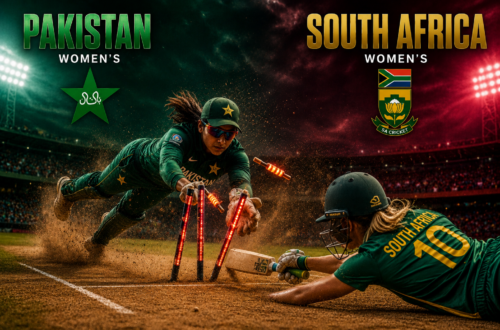
The rivalry between the two sides in women’s international cricket has grown into one of the most closely followed contests in the modern game. What began as a one-sided series of encounters gradually evolved into a competitive battle shaped by skill, pressure, and rising confidence on both sides. Early matches highlighted experience gaps, but over time, improvements in batting depth, bowling discipline, and fielding standards brought balance to the contest. Each meeting added new layers to the story, with shifting momentum and standout performances defining the journey. Fans witnessed not just results, but the evolution of two teams pushing each other to higher levels of performance
Recent Matches Table
Match
Date
Venue
Format
Winner
Margin
Player of Match
First T20I
May 26 2026
Chelmsford
T20I
India
38 runs
Yastika Bhatia
Second T20I
May 30 2026
Bristol
T20I
England
26 runs
Freya Kemp
Third T20I
June 2 2026
Taunton
T20I
England
6 wickets
Alice Capsey
Fourth Match
July 15 2025
Southampton
T20I
India
5 wickets
Smriti Mandhana
Fifth Match
July 18 2025
London
T20I
England
7 wickets
Nat Sciver Brunt
Sixth Match
July 22 2025
Derby
T20I
India
8 runs
Deepti Sharma
Seventh Match
September 22 2024
Bristol
ODI
England
4 wickets
Tammy Beaumont
Team Statistics Summary Table
Team
Matches
Won
Lost
Tied
No Result
Win Percentage
England Women
102
68
30
1
3
66.66
India Women
102
30
68
1
3
29.41
Overall Stats
102
98
98
2
6
50.00
Home Matches
54
38
14
0
2
70.37
Away Matches
48
30
16
2
4
62.50
Neutral Ground
22
14
8
0
0
63.63
World Cup Games
14
9
5
0
0
64.28
Individual Batting Records Table
Player
Team
Matches
Innings
Runs
Highest Score
Average
Mithali Raj
India
34
33
1014
91
40.56
Charlotte Edwards
England
30
29
985
83
37.88
Smriti Mandhana
India
28
28
912
86
33.77
Harmanpreet Kaur
India
31
29
845
107
32.50
Tammy Beaumont
England
25
24
810
114
35.21
Heather Knight
England
27
25
762
95
34.63
Nat Sciver Brunt
England
24
23
740
89
37.00
Individual Bowling Records Table
Player
Team
Matches
Overs
Wickets
Best Bowling
Economy
Katherine Sciver Brunt
England
32
245
42
4 for 18
3.85
Jhulan Goswami
India
29
238
38
4 for 24
3.42
Anya Shrubsole
England
22
165
31
4 for 30
4.12
Deepti Sharma
India
25
188
29
3 for 21
4.25
Sophie Ecclestone
England
18
134
26
4 for 14
3.90
Rajeshwari Gayakwad
India
19
142
22
3 for 26
4.45
Shikha Pandey
India
17
120
19
3 for 32
4.60
Early Foundations of the Rivalry
The early meetings between the two sides reflected a clear contrast in experience, structure, and confidence. One team entered with a well-established system built on disciplined batting and controlled bowling, while the other was still shaping its identity on the global stage. These matches were less about results and more about exposure to high-pressure international cricket. The stronger side often dictated terms with consistent top-order partnerships and tighter field placements. However, even in defeat, the emerging team showed sparks of resilience, especially in middle overs where they tried to rebuild innings under pressure. These encounters laid the foundation for a competitive future. Fans began noticing gradual improvements, especially in shot selection and bowling variations. Though dominance was one-sided initially, these early clashes planted the seeds of belief that would later transform into a genuine contest between two evolving cricketing cultures.
Match Type
Dominant Team
Key Strength
Indian Response
Impact
ODI
England
Batting depth
Middle-order fight
Learning phase
Test
England
Seam control
Defensive play
Experience gain
ODI
England
Fielding unit
Small partnerships
Confidence building
T20
England
Power hitting
Emerging aggression
Tactical exposure
First Breakthrough Moments for India
As time progressed, noticeable improvement emerged in performance levels and match temperament. The turning point came when the batting unit began showing resistance against disciplined bowling attacks. Instead of collapsing under pressure, partnerships started forming at crucial stages, shifting momentum in key matches. Bowlers also began adapting better, using variations in pace and length to restrict scoring opportunities. These improvements were not just technical but psychological as well. The team started believing they could compete rather than just survive. Fielding intensity also improved, saving crucial runs and building pressure in tight games. Although victories were still limited, the gap was visibly narrowing. Supporters witnessed a shift in energy as matches became more competitive and less predictable. These breakthrough moments marked the beginning of a new phase where outcomes were no longer guaranteed early in the innings.
Match Phase
Improvement Area
Key Change
Effect
Outcome
Powerplay
Batting stability
Fewer early wickets
Strong starts
Competitive totals
Middle overs
Rotation of strike
Better partnerships
Controlled innings
Reduced collapses
Bowling
Variation usage
Slower balls & cutters
Restrict runs
Pressure building
Fielding
Ground coverage
Quick reflex saves
Saved runs
Momentum shift
Tactical Supremacy of England in Early Encounters
During the early competitive phase, tactical discipline played a major role in shaping outcomes. The more experienced side relied heavily on structured game plans, focusing on controlling the tempo from the first over. Their batting lineup was built around patience and calculated acceleration, ensuring wickets were preserved for the final overs. On the bowling front, consistency in line and length created constant pressure, forcing errors from the opposition. Field placements were strategically adjusted based on batter tendencies, reflecting deep preparation. In contrast, the developing team struggled to adapt to such structured pressure. Misjudged shots and inconsistent partnerships often led to collapses at crucial moments. However, these challenges exposed weaknesses that later became areas of improvement. The difference in execution rather than talent defined these matches, as one side consistently executed plans with precision while the other was still learning to manage high-pressure scenarios.
Tactical Area
Strong Team Approach
Opposition Challenge
Key Result
Match Impact
Batting Plan
Structured innings
Early pressure
Stable totals
Controlled games
Bowling Plan
Tight lines
Inconsistency
Wickets at intervals
Momentum control
Field Setup
Data-based positioning
Reactive adjustments
Run restriction
Pressure building
Match Tempo
Controlled pacing
Irregular response
Dominance maintained
One-sided phases
Rise of Match-Winners and Changing Momentum
A noticeable shift began when individual performers started influencing outcomes more significantly. Certain batters from the developing side began producing impactful innings under pressure, stabilizing the team during early collapses. These performances not only improved scores but also changed team mentality. Bowlers also stepped up with spells that restricted strong batting units, proving that breakthroughs were possible with disciplined execution. On the other hand, the experienced side continued producing consistent performers who anchored innings and controlled middle overs effectively. However, matches became less predictable as individual brilliance started outweighing structured dominance. This phase marked the rise of competitive balance, where no match felt one-sided from the beginning. The psychological barrier of facing a stronger opponent slowly began to fade, replaced by growing confidence and tactical awareness.
Player Role
Key Contribution
Impact Area
Match Influence
Result Effect
Top-order batter
Anchor innings
Stability
Controlled starts
Strong totals
Middle-order hitter
Recovery innings
Pressure handling
Momentum shift
Competitive scores
Strike bowler
Key wickets
Opposition collapse
Game control
Tight finishes
All-rounder
Balance support
Dual impact
Tactical flexibility
Match stability
World Tournament Clashes and Pressure Moments
Encounters in global tournaments elevated the rivalry to a new level of intensity. Matches were no longer just bilateral contests but high-stakes battles with qualification and elimination pressure. In these scenarios, experience often played a decisive role. One side demonstrated composure in crunch moments, especially while chasing or defending under scoreboard pressure. The other side, however, showed growing resilience by pushing games deeper into the final overs. Several matches were decided by narrow margins, highlighting the importance of partnerships and death-over execution. Fielding mistakes, dropped catches, and misjudged singles often turned into turning points. These tournament clashes also showcased emerging stars who performed under pressure and earned global recognition. The emotional stakes were significantly higher, with fans deeply invested in every run, wicket, and over.
Tournament Stage
Pressure Level
Key Strength
Turning Factor
Outcome
Group match
Medium
Batting depth
Early wickets
Controlled wins
Knockout
High
Bowling attack
Death overs
Tight finishes
Semi-final type
Very high
Experience
Partnerships
Momentum swings
Final stage feel
Extreme
Composure
Fielding errors
Decided margins
Evolution of T20 Encounters
The shortest format brought a dramatic shift in approach and mindset. Aggression replaced caution as both teams adapted to faster scoring rates and innovative shot-making. Powerplay overs became crucial, with teams aiming to maximize scoring before field restrictions eased. Bowling strategies also evolved, focusing on variations, yorkers, and slower deliveries to control run flow. Matches frequently went down to the final over, reflecting the growing competitiveness between the sides. Unlike longer formats, momentum swings were rapid and unpredictable. A single over could change the entire match narrative. This phase also highlighted fearless batting from younger players who were not afraid to take risks. Tactical decisions, such as bowling changes and batting order flexibility, became decisive factors in outcomes. The T20 format ultimately brought parity, making contests far more balanced than earlier years.
Phase
Key Strategy
Batting Approach
Bowling Method
Match Outcome
Powerplay
Aggressive start
High strike rate
Swing & pace
Fast scoring
Middle overs
Stability focus
Rotation play
Spin control
Balanced game
Death overs
Acceleration
Big hitting
Yorkers/slower balls
Tight finishes
Final over
Pressure handling
Risk shots
Variations
Unpredictable result
ODI Evolution and Modern Competitive Balance
Over time, One Day matches evolved into highly strategic contests where both sides displayed equal capability. The gap that once defined early encounters had significantly reduced. Batting units became more structured, focusing on building innings rather than relying solely on individual brilliance. Bowling attacks also became more versatile, with emphasis on adapting to pitch conditions and opposition strengths. Fielding standards improved dramatically, reducing the number of extra runs and increasing pressure on batters. Matches in this phase often went deep into the final overs, reflecting the balance between the two teams. Leadership also played a key role, with captains making bold tactical decisions under pressure. This era marked the transformation of rivalry into a genuinely competitive fixture where outcomes were no longer predictable.
ODI Aspect
Improvement Area
Strategy Shift
Match Impact
Result Pattern
Batting
Partnership focus
Stabilization
Strong totals
Competitive games
Bowling
Variation use
Match-up plans
Wicket control
Balanced contests
Fielding
Athletic upgrades
Reduced errors
Pressure building
Tight finishes
Captaincy
Tactical changes
Aggressive calls
Momentum shifts
Uncertain results
Conclusion
Over the years, this rivalry has transformed from predictable outcomes into tightly fought contests that reflect the progress of women’s cricket. Both teams have contributed to shaping a competitive era filled with memorable performances, tactical battles, and rising stars. What once was dominated by experience has now become a balanced stage where small moments decide results. The journey highlights how persistence, adaptation, and belief can close gaps in international sport. As both sides continue to evolve, future encounters promise even greater intensity, making this rivalry a cornerstone of modern women’s cricket