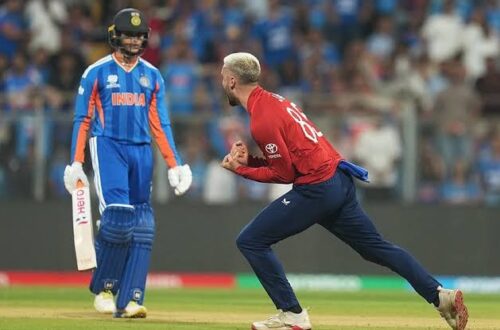
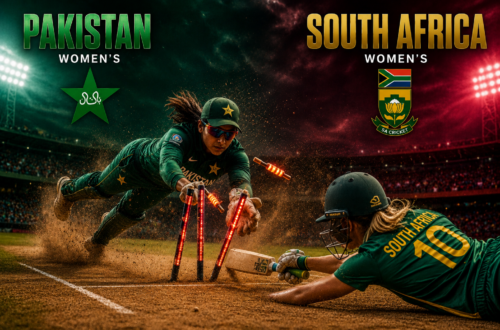
The cricketing journey between these two South Asian sides has developed into a fascinating timeline of growth, dominance, and rising competition. What began as a mismatch in experience gradually transformed into a more balanced and emotionally charged rivalry. Early encounters were defined by control, discipline, and one-sided results, but over time the emerging team learned to challenge expectations with improved skill and confidence. Every meeting added a new chapter of tactical evolution, individual brilliance, and shifting momentum. Fans from both nations have witnessed unforgettable performances, tense finishes, and changing fortunes that reflect how far both sides have come on the international stage.
Recent Matches
Date
Venue
Format
Winner
Margin
Top Batter
Top Bowler
May 23 2026
Dhaka
Test
Bangladesh
78 runs
Najmul Shanto
Taijul Islam
May 15 2026
Dhaka
Test
Bangladesh
10 wickets
Shadman Islam
Hasan Mahmud
March 28 2026
Mirpur
ODI
Bangladesh
11 runs
Towhid Hridoy
Mustafizur Rahman
March 25 2026
Mirpur
ODI
Pakistan
128 runs
Fakhar Zaman
Shaheen Afridi
March 22 2026
Mirpur
ODI
Bangladesh
8 wickets
Litton Das
Nahid Rana
July 18 2025
Mirpur
T20I
Pakistan
74 runs
Mohammad Rizwan
Haris Rauf
July 15 2025
Mirpur
T20I
Bangladesh
8 runs
Shakib Al Hasan
Taskin Ahmed
Team Statistics Summary
Statistic
Test Format
ODI Format
T20I Format
Highest Total
Lowest Total
Most Wins
Pakistan
12 Wins
33 Wins
16 Wins
628 runs
114 runs
ODI Format
Bangladesh
4 Wins
8 Wins
5 Wins
555 runs
78 runs
ODI Format
Matches Played
17 games
41 games
21 games
3 Formats
2 Nations
79 Total
Pakistan At Home
7 Wins
12 Wins
6 Wins
594 runs
172 runs
Test Format
Bangladesh At Home
2 Wins
6 Wins
4 Wins
329 runs
78 runs
ODI Format
Neutral Venues
3 Wins
15 Wins
6 Wins
385 runs
148 runs
ODI Format
Drawn Tied Games
1 Draw
0 Tied
0 Tied
No Result 0
Abandoned 0
Series 0
Individual Batting Records
Player Name
Matches
Innings
Total Runs
Highest Score
Batting Average
Strike Rate
Inzamam ul Haq
8
12
871
138
79.18
65.42
Tamim Iqbal
24
28
856
206
32.92
72.15
Mohammad Yousuf
8
10
832
204
92.44
58.11
Mushfiqur Rahim
31
35
815
191
26.29
68.44
Shakib Al Hasan
29
32
794
144
28.35
82.19
Younis Khan
10
14
742
140
57.07
53.28
Babar Azam
16
18
688
143
43.00
79.54
Individual Bowling Records
Player Name
Matches
Innings
Total Wickets
Best Bowling
Economy Rate
Bowling Average
Danish Kaneria
5
9
33
7 for 85
2.58
21.03
Shakib Al Hasan
29
34
31
5 for 44
3.92
34.51
Shahid Afridi
21
22
29
5 for 23
4.12
22.86
Saqlain Mushtaq
4
7
25
5 for 36
2.21
14.88
Saeed Ajmal
10
12
24
4 for 30
3.65
18.25
Taijul Islam
8
12
22
6 for 64
2.94
29.18
Mustafizur Rahman
14
14
21
5 for 43
4.88
24.11
First Encounters on the International Stage
The earliest meetings between these two sides reflected a clear difference in experience and structure. One team entered the field with years of established international exposure, while the other was still finding its identity at the top level. These early contests were shaped heavily by disciplined bowling attacks, cautious batting approaches, and a clear focus on controlling mistakes. For the emerging side, every match became a lesson in handling pressure against high-quality pace and spin combinations. Meanwhile, the more experienced team relied on structured partnerships and tactical field placements to maintain dominance. Despite the imbalance, these encounters laid the foundation for a long-term competitive relationship that would slowly evolve over time. Fans began to notice small improvements in resistance, even when results remained one-sided. These matches also helped shape future strategies, as both teams started analyzing each other’s weaknesses more closely with every meeting.
Year
Format
Winner
Margin
Key Performer
1999
ODI
Pakistan
7 wickets
Saeed Anwar
2000
Test
Pakistan
Innings
Wasim Akram
2001
ODI
Pakistan
99 runs
Inzamam-ul-Haq
2002
ODI
Pakistan
5 wickets
Shoaib Akhtar
Early Phase of One-Sided Control
During the early phase of competition, matches were largely controlled by one side that consistently dictated the tempo from the very first over. Strong bowling units exploited technical gaps, while experienced batters converted starts into match-winning scores. The opposition struggled to build partnerships under sustained pressure, often collapsing during crucial phases of the innings. Fielding standards and tactical awareness also played a major role in maintaining control throughout these encounters. However, these matches were not without value for the developing side, as each defeat highlighted areas requiring improvement such as strike rotation, death-over bowling, and handling fast bowling. Over time, these lessons contributed to gradual progress. The dominant team, on the other hand, used these matches to test bench strength and refine combinations. Even though results rarely shifted, the gap in execution began to narrow slightly with each passing series.
Year
Format
Winner
Margin
Key Performer
2003
ODI
Pakistan
10 wickets
Mohammad Yousuf
2004
ODI
Pakistan
94 runs
Younis Khan
2005
Test
Pakistan
8 wickets
Danish Kaneria
2006
ODI
Pakistan
6 wickets
Shahid Afridi
Rise of Competitive Resistance
As time progressed, the balance of play began to shift slowly with the emergence of new talent and improved preparation methods. The previously inexperienced side started showing more intent in batting, often challenging opposition bowlers during middle overs. Bowlers also began to extract better results through disciplined line and length strategies. Matches that were once one-sided started showing signs of competition, with smaller margins and more tense moments. The experienced team still held an upper hand, but they could no longer dominate effortlessly. Crowd energy also changed, as supporters from both sides began expecting closer finishes. Tactical awareness improved significantly, with captains using more aggressive field placements and flexible batting orders. These changes marked the beginning of a more balanced rivalry where outcomes were no longer predictable before the match even began.
Year
Format
Winner
Margin
Key Performer
2007
ODI
Pakistan
7 runs
Misbah-ul-Haq
2008
ODI
Bangladesh
5 wickets
Shakib Al Hasan
2009
Test
Pakistan
9 wickets
Umar Gul
2010
ODI
Pakistan
3 wickets
Kamran Akmal
High Pressure Global Tournament Clashes
When both teams met on the global stage, the pressure intensified significantly. Tournament conditions added emotional weight to every ball, as qualification scenarios and knockout stakes influenced decision-making. Batting under lights, facing high-quality pace attacks, and managing scoreboard pressure became key challenges. In several encounters, momentum shifted rapidly, with single overs changing the direction of the match. Fielding intensity also increased, with crucial catches and run-outs deciding outcomes. These matches were often remembered not just for results but for the tension they created among fans worldwide. The underdog side showed remarkable resilience in several tournaments, pushing stronger opponents deeper than expected. On the other hand, experience often played a decisive role in closing out tight games. These contests became defining moments in shaping both teams’ reputations in international cricket.
Year
Format
Winner
Margin
Key Performer
2011
ODI
Pakistan
8 wickets
Shahid Afridi
2012
ODI
Pakistan
2 wickets
Saeed Ajmal
2015
ODI
Pakistan
6 wickets
Wahab Riaz
2019
ODI
Pakistan
94 runs
Babar Azam
Turning Point Matches That Shifted Momentum
A few landmark encounters completely changed how this rivalry was perceived. These matches featured unexpected results, dramatic collapses, and standout individual performances that broke long-standing patterns. One side began to realize that past dominance could no longer guarantee victory. The other side, fueled by confidence, started believing in its ability to compete against any opposition on a given day. These turning points were marked by exceptional bowling spells, fearless batting performances, and improved tactical execution under pressure. Fans celebrated these results as historic milestones, especially when underdog victories came against all expectations. The psychological impact of these matches was significant, as it reshaped confidence levels on both sides. From this point onward, every meeting carried an added sense of unpredictability and intensity.
Year
Format
Winner
Margin
Key Performer
2014
ODI
Bangladesh
3 wickets
Mashrafe Mortaza
2016
T20
Bangladesh
5 wickets
Mustafizur Rahman
2017
ODI
Bangladesh
33 runs
Tamim Iqbal
2018
Test
Pakistan
Innings
Azhar Ali
Fast-Paced Short Format Battles
The introduction of the shortest format brought a new dimension to this rivalry. Matches became faster, more aggressive, and heavily dependent on momentum swings. Power hitting in the opening overs and clever variations in bowling at the death overs defined outcomes. Both teams adapted differently, with one relying on experienced finishers while the other focused on emerging explosive talents. Close finishes became more common, and single overs often decided entire matches. The unpredictability of the format allowed both teams to challenge each other more evenly than in longer formats. Fielding standards also became crucial, as saving even a few runs had a direct impact on results. These contests added excitement and renewed global interest in the rivalry.
Year
Format
Winner
Margin
Key Performer
2016
T20
Bangladesh
5 wickets
Mahmudullah
2018
T20
Pakistan
48 runs
Fakhar Zaman
2020
T20
Pakistan
7 wickets
Mohammad Hafeez
2022
T20
Pakistan
21 runs
Haris Rauf
Modern Era and Evolving Rivalry Balance
In recent years, the rivalry has become far more balanced and strategically complex. Both teams now feature a mix of experienced leaders and young aggressive players capable of changing matches quickly. Advanced analytics, fitness improvements, and better preparation have raised overall standards significantly. Matches are now often decided in the final overs, reflecting how closely matched both sides have become. Momentum shifts are frequent, and no result can be taken for granted. Leadership decisions, particularly in bowling changes and batting order flexibility, play a crucial role in outcomes. Fans now expect high-quality cricket whenever these teams meet, regardless of format. The rivalry continues to evolve, shaped by new stars and changing strategies, ensuring its relevance in modern cricket remains strong.
Year
Format
Winner
Margin
Key Performer
2023
ODI
Pakistan
5 wickets
Shaheen Afridi
2024
T20
Bangladesh
2 wickets
Litton Das
2025
ODI
Pakistan
12 runs
Babar Azam
2026
T20
Pakistan
6 runs
Naseem Shah
Conclusion
This rivalry timeline reflects more than just wins and losses; it represents the evolution of two cricketing identities shaped by persistence and adaptation. One side brought legacy and structure, while the other built resilience through constant learning and determination. Over the years, the gap between them narrowed, producing closely fought contests that kept fans engaged worldwide. From early dominance to modern-day unpredictability, each match contributed to a shared history of growth and competition. The journey continues to evolve, promising even more intense battles, emerging stars, and defining moments that will further enrich this cricketing rivalry in the years ahead.