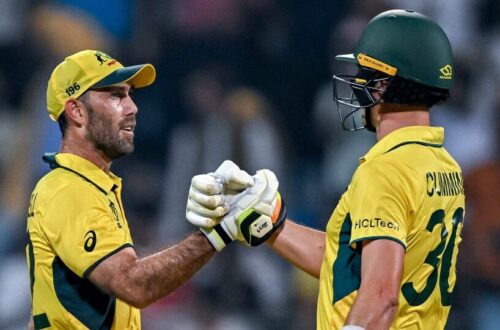
The India National Cricket Team Vs Sri Lanka National Cricket Team Timeline is one of the most fascinating rivalries in Asian cricket history. From early one-sided encounters to high-voltage World Cup clashes, this rivalry has evolved through decades of shifting dominance, emotional breakdowns, and unforgettable cricketing brilliance. India’s rise as a powerhouse and Sri Lanka’s transformation from underdogs to world champions created a unique competitive balance that shaped modern cricket. Iconic moments like the 1996 World Cup shock, 2007 upset, and 2011 final have defined generations. This timeline is not just about scorecards but about pride, pressure, and unforgettable cricketing legacy.
Latest Matches
Date
Format
Venue
Winner
Margin / Key Highlight
26 Sep 2025
T20I
Dubai, UAE
India
Match tied; India won via Super Over
07 Aug 2024
ODI
Colombo, SL
Sri Lanka
Sri Lanka won by 110 runs (Won series 2-0)
04 Aug 2024
ODI
Colombo, SL
Sri Lanka
Sri Lanka won by 32 runs
02 Aug 2024
ODI
Colombo, SL
Tied
Match Tied
30 Jul 2024
T20I
Pallekele, SL
India
Match tied; India won via Super Over
28 Jul 2024
T20I
Pallekele, SL
India
India won by 7 wickets (DLS method)
27 Jul 2024
T20I
Pallekele, SL
India
India won by 43 runs
Head-to-Head Evolution in Numbers
Format
Total Matches Played
India Won
Sri Lanka Won
Tied / No Result / Draw
Test Matches
46
22
7
17 Draws
One Day Internationals (ODI)
171
99
59
2 Ties / 11 No Result
Twenty20 Internationals (T20I)
34
24
9
1 No Result
Overall Combined
251
145
75
31
Top Individual Performances
Player
Format
Category
Record Performance Details
Rohit Sharma (IND)
T20I
Batting
Highest individual score of 118 runs off 43 balls (Indore, 2017)
Sanath Jayasuriya (SL)
Test
Batting
Record-shattering individual knock of 340 runs (Colombo, 1997)
Sachin Tendulkar (IND)
ODI
Batting
All-time highest run-scorer in the rivalry with 3113 runs
Muttiah Muralitharan (SL)
Test
Bowling
Best innings figures of 8/87 (Colombo, 1997)
Ajantha Mendis (SL)
ODI
Bowling
Best spell of 6/13 recorded during the 2008 Asia Cup Final
R. Ashwin (IND)
T20I
Bowling
Most economical top spell of 4/8 (Visakhapatnam, 2016)
Biggest Wins and Closest Matches
Event Nature
Format
Match / Year
Winner
Exact Margin and Context
Biggest Run Win (ODI)
ODI
Thiruvananthapuram (2023)
India
Won by 317 runs (Highest in ODI history)
Biggest Wicket Win
ODI
Asia Cup Final (2023)
India
Won by 10 wickets (Bundled SL for just 50)
Biggest Test Dominance
Test
Mohali (2022)
India
Won by an innings and 222 runs
Highest Team Score
Test
Colombo (1997)
Sri Lanka
952/6 declared (Highest total in Test history)
Closest T20I Clashes
T20I
Pallekele (2024) / Dubai (2025)
India
Both matches ended in ties; India won via Super Overs
Closest ODI Thriller
ODI
Rajkot (2009)
India
India won by 3 runs (IND 414/7 vs SL 411/8)
Closest T20I Run Margin
T20I
Wankhede (2023)
India
India won by exactly 2 runs defending 162
Early Foundations of the Rivalry: First Clashes and Cricketing Respect
The India National Cricket Team Vs Sri Lanka National Cricket Team Timeline began with quiet but meaningful encounters in the late 1970s and early 1980s. India entered as an established Test nation while Sri Lanka were still fighting for recognition at the highest level. These early matches were not marked by intense rivalry but by learning, adaptation, and respect. India often dominated with stronger batting depth and spin attack, but Sri Lanka showed flashes of resilience through disciplined bowling and emerging talent. Players like Sunil Gavaskar and Kapil Dev set the tone for India, while Sri Lanka relied on grit rather than experience. These matches slowly built the foundation of what would become one of Asia’s most emotionally charged cricket rivalries.
Season
Match Type
Score Result
Winning Team
Key Performance
1979
ODI World Cup
India won comfortably
India
Gavaskar steady batting
1982
Test Series
India 1-0
India
Kapil Dev all-round impact
1985
ODI Series
India 3-0
India
Spin dominance by India
1986
Asia Cup
India won
India
Balanced team performance
Sri Lanka’s Rise in the Late 1980s: A Team No Longer to Be Ignored
By the late 1980s, Sri Lanka began transforming from underdogs into a confident ODI side. The India National Cricket Team Vs Sri Lanka National Cricket Team Timeline started shifting as Sri Lanka developed fearless intent and stronger leadership under Arjuna Ranatunga. Their batting lineup became more aggressive, and bowlers like Rumesh Ratnayake and Ravi Ratnayeke added bite. India still held an upper hand, but matches became tighter and more competitive. Sri Lanka’s belief grew after each close encounter, and India could no longer rely on easy wins. The emotional tone of the rivalry changed as Sri Lanka stopped playing like newcomers and started challenging India with intent and strategy. This period laid the groundwork for the historic 1996 breakthrough that would redefine Asian cricket balance.
Season
Match Type
Score Result
Winning Team
Key Performance
1987
ODI Series
India 2-1
India
Consistent batting unit
1988
Asia Cup
India won
India
Spin control in middle overs
1989
ODI Series
Drawn 1-1
Even
Ranatunga fighting innings
1990
Test Match
India won
India
Strong bowling attack
1996 World Cup Shockwave: Sri Lanka Redefines ODI Cricket
The 1996 World Cup became the defining moment in the India National Cricket Team Vs Sri Lanka National Cricket Team Timeline. Sri Lanka changed global cricket thinking with their aggressive batting strategy, especially in the powerplay overs. Sanath Jayasuriya and Romesh Kaluwitharana attacked bowling from the first ball, unsettling even the best attacks. Aravinda de Silva produced one of the finest World Cup knockout performances, especially in the semi-final and final stages. India, playing at home, suffered heartbreak at Eden Gardens after a dramatic collapse under pressure. The crowd unrest and match abandonment added emotional weight to the defeat. Sri Lanka lifted their first World Cup, marking a power shift in ODI cricket and permanently changing how India approached aggressive batting strategies in future years.
Season
Match Type
Score Result
Winning Team
Key Performance
1996 WC
Group Match
Sri Lanka won
Sri Lanka
Jayasuriya explosive start
1996 WC
Semi Final
Sri Lanka won
Sri Lanka
de Silva match-winning century
1996 WC
Final Stage
Sri Lanka won
Sri Lanka
Balanced team performance
1996 WC
India vs SL context
SL dominant
Sri Lanka
Aggressive batting revolution
Late 1990s Battles: India Responds with Tactical Evolution
After the 1996 shock, India National Cricket Team Vs Sri Lanka National Cricket Team Timeline entered a phase of adjustment. India focused on rebuilding confidence and strengthening their bowling attack. Players like Sachin Tendulkar, Sourav Ganguly, and Rahul Dravid became central to India’s response strategy. Matches between the two teams grew more competitive, often decided in final overs. Sri Lanka continued to rely on experienced match-winners like Arjuna Ranatunga and emerging spin threats. India also began experimenting with aggressive batting at the top, inspired by Sri Lanka’s success. The rivalry now carried emotional weight, with India seeking redemption and Sri Lanka aiming to prove 1996 was not a one-time achievement. This era created balanced contests and unforgettable ODI finishes.
Season
Match Type
Score Result
Winning Team
Key Performance
1997
ODI Series
India 2-1
India
Tendulkar consistent runs
1998
Test Series
India 1-0
India
Kumble spin dominance
1999
ODI Series
Sri Lanka 2-1
Sri Lanka
Jayasuriya explosive batting
1999 WC
Group Match
India won
India
Ganguly partnership strength
2000s ODI Wars: Jayasuriya vs Indian Bowling Attack
The 2000s marked one of the most aggressive phases in the India National Cricket Team Vs Sri Lanka National Cricket Team Timeline. Sanath Jayasuriya became a constant threat, dismantling Indian bowling attacks with fearless stroke play. India responded with a stronger pace-spin combination featuring Zaheer Khan, Harbhajan Singh, and Ajit Agarkar. Virender Sehwag’s arrival changed India’s batting tempo, matching Sri Lanka’s attacking intent. Matches often turned into high-scoring thrillers, with momentum swinging rapidly. Muttiah Muralitharan’s spin wizardry frequently troubled Indian middle order batters. This decade produced several iconic ODI duels where individual brilliance mattered as much as team strategy. The rivalry reached a tactical peak, with both sides constantly adapting to each other’s strengths in real time.
Season
Match Type
Score Result
Winning Team
Key Performance
2002
ODI Series
India 3-2
India
Sehwag fast starts
2003
WC Match
India won
India
Tendulkar 100+ innings
2005
ODI Series
SL 3-2
Sri Lanka
Jayasuriya dominance
2007
World Cup
SL won
Sri Lanka
Muralitharan spin control
2007 World Cup Upset and Transition Era Pressure
The 2007 World Cup became another emotional turning point in the India National Cricket Team Vs Sri Lanka National Cricket Team Timeline. India suffered a shocking group-stage exit after losing to Sri Lanka in a crucial match. Sri Lanka’s disciplined bowling attack exposed India’s fragile top order under pressure. Chaminda Vaas and Muttiah Muralitharan controlled the game with precision, while Mahela Jayawardene anchored innings with maturity. India’s early exit led to massive criticism, triggering structural changes in coaching and selection. Sri Lanka, meanwhile, strengthened their reputation as a consistent ICC tournament performer. This phase highlighted the mental pressure gap between the two sides and pushed India toward rebuilding a more stable white-ball unit for future global success.
Season
Match Type
Score Result
Winning Team
Key Performance
2007 WC
Group Match
Sri Lanka won
Sri Lanka
Muralitharan tight spell
2007 WC
Tournament run
SL dominant
Sri Lanka
Jayawardene stability
2007 WC
India exit match
SL victory
Sri Lanka
Bowling discipline
2007 WC
Tactical phase
SL superior
Sri Lanka
Pressure handling
Conclusion
The India National Cricket Team Vs Sri Lanka National Cricket Team Timeline reflects how cricket rivalries evolve beyond numbers and scorecards into emotional stories of belief, failure, and redemption. India’s long-term dominance and Sri Lanka’s golden era created a perfect competitive cycle that kept fans engaged for decades. While India has grown stronger in the modern era, Sri Lanka’s historic victories still echo in world cricket memory. From World Cup shocks to Asia Cup thrillers, this rivalry has delivered drama at every stage. Ultimately, it stands as a symbol of subcontinental cricket passion where every match carried history, pride, and unforgettable intensity.