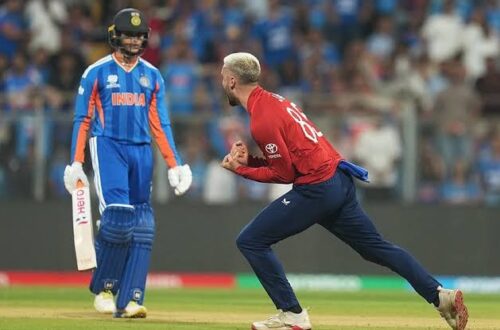
The cricket rivalry between these two international sides has developed into one of the most compelling contests in modern cricket history. From their earliest encounters to the most recent clashes, every match has carried intensity, tactical depth, and emotional weight. The journey reflects changing eras of cricket, shifting dominance, and evolving playing styles. What makes this rivalry stand out is the balance between aggression and resilience, where both teams have pushed each other to perform at the highest level. Over time, it has produced unforgettable moments, iconic performances, and matches that went down to the final overs, shaping a timeline rich in drama and competition.
Recent Matches Table
Date
Format
Venue
Winner
Margin
12 October 2023
ODI
Lucknow
South Africa
134 runs
16 November 2023
ODI
Kolkata
Australia
3 wickets
20 June 2025
Test
Lord’s
South Africa
5 wickets
14 August 2025
T20I
Darwin
Australia
4 wickets
17 August 2025
T20I
Cairns
South Africa
23 runs
21 August 2025
ODI
Mackay
South Africa
4 wickets
24 August 2025
ODI
Mackay
Australia
276 runs
Team Statistics Summary Table
Format
Matches Played
South Africa Wins
Australia Wins
Matches Tied
No Result / Drawn
Test Matches
101
27
54
0
20
One Day Internationals
111
56
51
3
1
Twenty20 Internationals
25
9
16
0
0
ICC ODI World Cup
8
3
4
1
0
ICC T20 World Cup
2
0
2
0
0
ICC Champions Trophy
4
1
2
0
1
World Test Championship
4
1
2
0
1
Individual Batting Records Table
Player Name
Team
Matches
Innings
Total Runs
Highest Score
Batting Average
Ricky Ponting
Australia
48
48
1879
141
47.37
Jacques Kallis
South Africa
47
47
1639
102
40.36
Jonty Rhodes
South Africa
55
53
1610
118
36.59
Travis Head
Australia
24
24
763
142
42.38
Aiden Markram
South Africa
21
21
679
136
35.73
Temba Bavuma
South Africa
25
23
670
114
31.90
Mitchell Marsh
Australia
18
18
622
100
38.87
Individual Bowling Records Table
Player Name
Team
Matches
Innings
Wickets Taken
Best Bowling
Bowling Average
Shane Warne
Australia
24
45
115
7/56
24.31
Dale Steyn
South Africa
17
31
70
6/67
27.47
Mitchell Johnson
Australia
12
23
64
8/61
25.43
Kagiso Rabada
South Africa
15
28
58
6/150
27.81
Glenn McGrath
Australia
17
32
53
5/21
27.52
Makhaya Ntini
South Africa
14
26
49
5/94
36.02
Josh Hazlewood
Australia
11
20
24
4/48
26.25
Early Rivalry Foundation Between Two International Sides
The opening phase of the rivalry between the two international cricket sides began with curiosity and contrast. One team was rebuilding its identity after returning to the global stage, while the other already carried a reputation for aggressive cricket and winning mentality. Early encounters were less about records and more about proving competitiveness. Players on both sides approached matches with caution, knowing that every session could shift momentum. Fast bowlers tested new batters with pace and bounce, while batting units tried to build stability against disciplined attacks. The early contests showed a clear gap in experience, but also highlighted moments where the underdog side showed resistance through partnerships and fielding intensity. Over time, respect started developing as matches became more competitive and less predictable. These early meetings laid the emotional and tactical foundation of a rivalry that would later grow into one of the most closely watched contests in international cricket.
Year
Format
Venue Type
Winner
Key Feature
Early phase
Test
Home and away
Dominant side
Bowling pressure
Early phase
ODI
Neutral
Strong side
Batting depth
Early phase
Test
Away
Experienced side
Long sessions
Early phase
ODI
Home
Emerging side
Fighting spirit
Return to International Cricket and First Major Encounters
When the returning team re-entered top-level cricket, their first major encounters against established opponents became a global talking point. Every match carried emotional weight, as players were not only competing for wins but also for recognition on the world stage. The opposition quickly tested their consistency with aggressive field placements and sharp bowling rotations. Batters faced challenges adjusting to pace variations and bounce, while bowlers struggled to contain experienced hitters who understood pressure situations. Despite setbacks, the returning side showed glimpses of strong technique and discipline. These early clashes also exposed the importance of mental toughness, as small mistakes often changed match outcomes. The competitive gap gradually reduced as exposure increased. Fans began to witness tighter finishes, unexpected performances, and individual brilliance that shifted momentum. These early encounters became the first real measurement of how far the returning side had progressed in international cricket.
Match Type
Pressure Level
Batting Challenge
Bowling Test
Outcome Nature
Test
High
Defensive play
Pace attack
Controlled win
ODI
Medium
Strike rotation
Death overs
Close finish
Test
High
Technique focus
Swing bowling
Competitive draw
ODI
High
Chase pressure
Spin control
Narrow result
Growth of Competitive Balance in Longer Format Matches
As time progressed, longer format matches between the two sides began showing improved balance. The earlier dominance by one team started to fade as the other developed stronger batting depth and more disciplined bowling strategies. Test matches became longer battles of patience, where sessions mattered more than individual moments. Teams focused on building partnerships and wearing down opposition bowlers. Fielding standards also improved, reducing easy scoring opportunities. Bowlers on both sides began to adapt with reverse swing, slower variations, and smarter lengths. Matches started extending into final sessions, creating tense finishes that kept audiences engaged. The psychological aspect of the game became more visible, with captains making bold field changes and rotating bowlers strategically. Even drawn matches felt competitive due to the intensity of play. This phase marked the transformation of the rivalry into a more equal contest where results were no longer predictable.
Aspect
Improvement
Impact
Key Change
Result Type
Batting
High
Stability
Partnerships
Longer innings
Bowling
High
Variation
Reverse swing
Wickets late
Fielding
Medium
Efficiency
Reduced errors
Tight matches
Strategy
High
Adaptability
Rotations
Balanced games
Limited Overs Expansion and Pressure Driven Matches
With the expansion of limited overs cricket, matches between the two sides became faster and more intense. The shorter format introduced a new level of unpredictability, where momentum could change within a few overs. Batters took more risks, aiming for higher strike rates, while bowlers experimented with variations to control scoring. Powerplays became crucial phases where early wickets often decided match direction. Middle overs focused on rebuilding or maintaining pressure depending on the situation. Death overs turned into high-pressure battles requiring precision and calm execution. Fielding errors became more costly, and even small misfields influenced results. Teams started investing in specialized players for finishing roles and bowling at the end of innings. These encounters highlighted the importance of adaptability and situational awareness. Fans witnessed thrilling chases, unexpected collapses, and standout individual performances that defined the limited overs rivalry phase.
Phase
Key Focus
Batting Style
Bowling Strategy
Match Outcome
Powerplay
Early control
Aggressive
Swing attack
Quick wickets
Middle overs
Stability
Rotation
Spin control
Balanced play
Death overs
Finishing
High risk
Yorkers
Close finishes
Overall
Momentum
Mixed
Tactical
Unpredictable
Knockout Tournament Pressure and High Stakes Clashes
In ICC knockout tournaments, matches between the two sides reached a completely different level of intensity. Every ball carried pressure, and mistakes were magnified due to the high stakes environment. Players who performed consistently in bilateral series often faced difficulty handling knockout pressure. Bowlers focused heavily on early breakthroughs, while batters aimed to anchor innings before accelerating. Captains played a crucial role in decision-making, especially with field placements and bowling changes. Crowd energy and global attention added further pressure. Many matches swung multiple times before reaching final overs, making outcomes uncertain until the last moments. These encounters became defining chapters in the rivalry, where mental strength mattered as much as technical skill. Some players rose to the occasion with match-winning performances, while others struggled under pressure. The knockout stage matches added emotional depth and historical significance to the rivalry.
Stage
Pressure Level
Key Skill
Turning Point
Outcome Style
Quarterfinal
High
Bowling control
Early wickets
Tight finish
Semifinal
Very high
Batting patience
Partnerships
Last over
Group stage
Medium
Strategy
Rotation
Controlled win
Final stage
Extreme
Mental strength
Field decisions
Narrow result
Modern Era Tactical Evolution and Balanced Competition
In the modern era, the rivalry has evolved into a highly balanced competition where both sides possess world-class talent and tactical awareness. Advanced analytics, video analysis, and specialized coaching have changed how teams prepare. Batters now focus on strike rotation and boundary efficiency, while bowlers use data-driven plans to exploit weaknesses. Fielding standards are at their peak, making runs harder to score and increasing pressure on batters. Matches often come down to execution in key moments rather than overall dominance. Captains rely heavily on flexible strategies and match-ups. Both sides have developed the ability to recover quickly from setbacks within a match. This has resulted in closer contests, where no team can be considered a guaranteed winner. Fans now expect high-quality cricket with shifting momentum and strategic depth.
Element
Modern Change
Advantage
Impact Area
Result Effect
Batting
Analytics driven
Precision
Scoring zones
Consistent runs
Bowling
Match-ups
Control
Key wickets
Pressure building
Fielding
Athletic focus
Efficiency
Run saving
Tight margins
Strategy
Data usage
Flexibility
Decision making
Balanced contests
Fan Intensity and Emotional Cricket Culture
The rivalry is not only defined by on-field performances but also by passionate fan engagement across both nations. Supporters follow every match closely, reacting strongly to victories and defeats. Social media has amplified emotions, turning individual performances into global discussions. Stadium atmospheres during matches are intense, with chants, flags, and constant energy influencing players. Fans often remember specific moments for years, especially close finishes or controversial decisions. This emotional connection has helped the rivalry maintain its importance over decades. Even neutral audiences find these matches engaging due to unpredictability and competitive spirit. Players often acknowledge that crowd pressure plays a role in shaping performance, especially in tight situations. The emotional layer of this rivalry adds depth beyond statistics and scorecards, making every encounter feel significant.
Factor
Fan Reaction
Impact Level
Match Influence
Memory Value
Victory
Celebration
High
Momentum boost
Long lasting
Defeat
Disappointment
High
Pressure increase
Strong memory
Close match
Excitement
Very high
Emotional shift
Historic
Controversy
Debate
Medium
Psychological
Viral moments
Legendary Performances and Defining Individual Brilliance
Over the years, several individual performances have shaped the rivalry’s identity. Batters have produced match-winning centuries under pressure, while bowlers have delivered spellbinding performances with breakthroughs at crucial moments. All-rounders have also played key roles in shifting match momentum. These performances often came during high-pressure situations, making them more memorable. Tactical brilliance combined with individual skill has produced unforgettable cricketing moments. Some players have consistently performed well against the opposition, earning reputations as key rivals in this matchup. These individual contributions have not only influenced match results but also defined eras within the rivalry. Each generation has produced new stars who continue to carry the competitive legacy forward. The consistency of standout performances ensures that every new match has the potential to create another historic moment.
Player Type
Contribution
Match Impact
Key Strength
Legacy Value
Batter
High scores
Match winning
Technique
Strong
Bowler
Wickets
Pressure creation
Accuracy
Very strong
All-rounder
Balance
Momentum shift
Versatility
High
Wicketkeeper
Support
Stability
Reflexes
Consistent
Conclusion
This rivalry continues to represent the spirit of high-quality international cricket, where skill, strategy, and mental strength decide outcomes. Across decades, both teams have created a competitive balance that keeps fans engaged and matches unpredictable. From early dominance to modern-day equality, the evolution shows how cricket has grown more tactical and demanding. Each encounter adds a new chapter filled with pressure moments, individual brilliance, and shifting momentum. As future series approach, this rivalry is expected to remain a benchmark of excellence, delivering more thrilling contests and memorable performances for global cricket audiences.